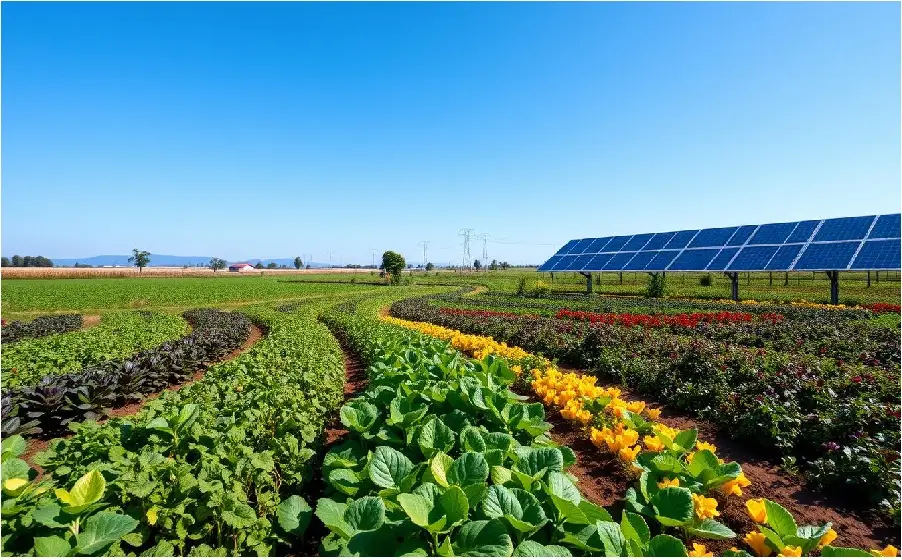
Water Management and Climate-Resilient Farming in the Middle East
Related: Naqqar Group Home • Products • Projects • Contact
Introduction
The Middle East is one of the most water-stressed regions on Earth, where droughts, desertification, and rapid population growth threaten food security. In response, governments and agricultural innovators are turning toward climate-resilient farming and modern water management systems to adapt to these challenges.
With expertise built over four decades, Naqqar Group exemplifies how private sector innovation can help farmers across Jordan, Saudi Arabia, and beyond build resilience through smart irrigation and sustainable agriculture.
“Climate-resilient agriculture is not about surviving change — it’s about thriving despite it.”
Climate and Water Challenges in the Middle East
The Middle East and North Africa (MENA) region accounts for only 1% of global freshwater resources yet supports nearly 6% of the world’s population. According to the World Bank, 60% of water used in agriculture is lost due to inefficient systems and evaporation.
Rising temperatures, reduced rainfall, and increasing salinity are already affecting key agricultural areas like the Jordan Valley, the Nile Delta, and Saudi Arabia’s desert farms. Without improved water management, regional food production could decline by 30% by 2050.
What Is Climate-Resilient Farming?
Climate-resilient farming is a strategy designed to help farmers adapt to climate change while reducing greenhouse gas emissions and preserving natural resources. It focuses on:
- Efficient irrigation: delivering precise amounts of water to reduce waste.
- Soil regeneration: improving organic matter to retain moisture and nutrients.
- Renewable energy: using solar-powered systems for pumps and sensors.
- Diversified cropping: cultivating species adapted to arid conditions.
These practices create agricultural systems that are not only productive but also resilient to climate shocks such as heatwaves and droughts.
Regional Water Management Strategies
Middle Eastern nations are rethinking how they manage water. The key to resilience lies in using every drop efficiently — through technology, governance, and cooperation.
- Saudi Arabia: investing billions in controlled irrigation and greenhouse systems powered by solar energy.
- Egypt: modernizing Nile irrigation canals and expanding drip systems to curb water loss.
- Jordan: implementing nationwide drip irrigation networks and grey-water reuse systems, with support from public-private partnerships like those led by Naqqar Group.
- UAE and Oman: promoting hydroponic and aquaponic farming that relies on recirculated water systems.
These collective efforts demonstrate a regional commitment to smart agriculture that ensures productivity under changing climate conditions.
Naqqar Group and Regional Collaboration
Founded in Jordan in 1980, Naqqar Group has grown into one of the Middle East’s most trusted irrigation and agricultural engineering companies. Its experience designing and implementing advanced sprinkler and drip irrigation systems has directly contributed to the region’s shift toward sustainable water use.
Naqqar Group collaborates with governmental and international entities — including the Jordan Valley Authority, Ministry of Agriculture, and organizations such as USAID and the FAO — to promote best practices in water management and agricultural resilience.
Through regional partnerships, Naqqar Group helps farmers transition from traditional surface irrigation to precision water systems that support both productivity and conservation.
Technology & Innovation in Climate-Resilient Agriculture
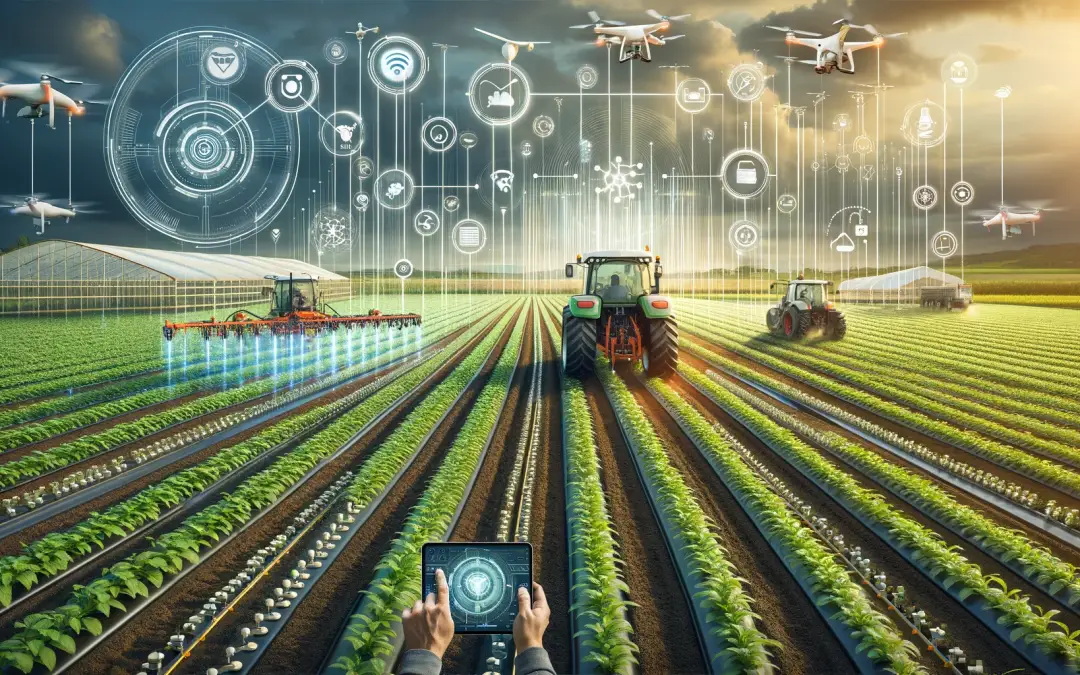
Modern agricultural resilience depends on innovation. Smart irrigation systems integrate real-time monitoring and automation, ensuring that every liter of water is used efficiently.
- IoT sensors: measure soil moisture and nutrient levels to adjust irrigation schedules.
- AI analytics: predict water demand based on crop type, temperature, and humidity.
- Renewable energy: solar-powered pumping reduces carbon emissions and dependency on grid power.
- Data-driven systems: enable farmers to control and monitor irrigation through mobile devices.
Naqqar Group integrates these technologies into its irrigation networks, offering scalable solutions for farms of all sizes — from smallholders in rural Jordan to commercial growers in the Gulf.
Building a Sustainable Future for Middle Eastern Agriculture
The path forward requires collaboration. By combining policy reform, technological innovation, and capacity building, the Middle East can secure its agricultural future despite limited resources.
Companies like Naqqar Group are at the center of this transformation — manufacturing high-efficiency irrigation systems, providing farmer training, and leading awareness initiatives to promote sustainable water practices across the region.
As regional governments and private sectors unite, the vision of a water-secure and climate-resilient Middle East is becoming achievable.
FAQ
Why is climate-resilient farming essential for the Middle East?
Because it ensures food security and economic stability in one of the driest regions of the world.
What role does technology play?
Smart sensors, solar pumps, and data-based irrigation reduce waste and optimize productivity under harsh conditions.
How is Naqqar Group contributing?
By developing sustainable irrigation infrastructure, training farmers, and collaborating with governments on long-term water management projects.
Conclusion & Next Steps
Climate change poses serious challenges to the Middle East, but through innovation, cooperation, and sustainable water management, resilience is within reach. Naqqar Group continues to play a leading role in turning vision into action — one irrigation system at a time.
To explore collaborative opportunities or learn more about Naqqar Group’s climate-resilient solutions, get in touch today.