The Role of Innovation in Advancing Smart Agriculture in the Arab World
Related: Naqqar Group Home • Products • Projects • Contact
Introduction
Agriculture in the Arab world is undergoing a dramatic transformation, driven by technology, innovation, and a pressing need for sustainability. With rising temperatures, scarce water resources, and growing food demands, countries across the region are turning to smart agriculture innovation to secure their future.
From precision irrigation and AI-based monitoring to climate-smart greenhouses, innovation is redefining how Arab nations produce food, conserve water, and empower farmers. At the center of this shift are pioneering companies like Naqqar Group, which continues to blend engineering, sustainability, and technology to reshape regional agriculture.
“Innovation is not just an advantage — it’s the foundation of future food security in the Arab world.”
The Agricultural Transformation in the Arab World
The Arab region faces complex agricultural challenges: limited arable land, scarce rainfall, and heavy reliance on food imports. Yet, these obstacles have sparked innovation, with governments investing in smart irrigation, renewable energy, and precision agriculture to achieve greater food independence.
According to the FAO Near East Office, digital agriculture adoption in the Middle East has grown by 35% in the past five years, signaling a major shift toward sustainable, technology-based food systems.
The Power of Innovation in Agriculture
Innovation in agriculture is not limited to machinery or automation — it’s about integrating knowledge, data, and design to optimize every step of the farming process. In Arab nations, innovation bridges the gap between resource scarcity and food security through:
- Smart irrigation systems that reduce water use by up to 50%.
- Renewable energy integration to power farms sustainably.
- Data analytics for crop forecasting and disease prevention.
- Farmer education on sustainable and digital practices.
Key Smart Agriculture Technologies
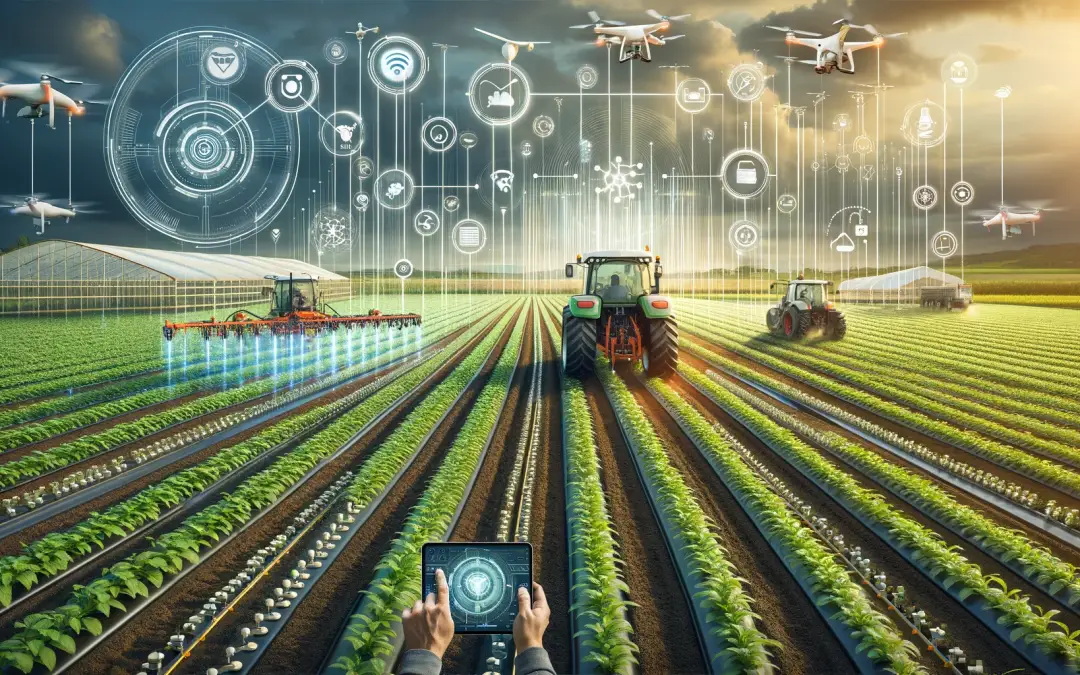
Smart agriculture combines cutting-edge technologies to increase efficiency, productivity, and resilience. These tools empower farmers with real-time insights and automation capabilities that were once unimaginable.
- Internet of Things (IoT): Smart sensors monitor soil moisture, temperature, and crop health.
- Artificial Intelligence (AI): Algorithms predict irrigation needs and optimize fertilizer use.
- Geospatial Technologies: Drones and satellites analyze large agricultural zones for precision mapping.
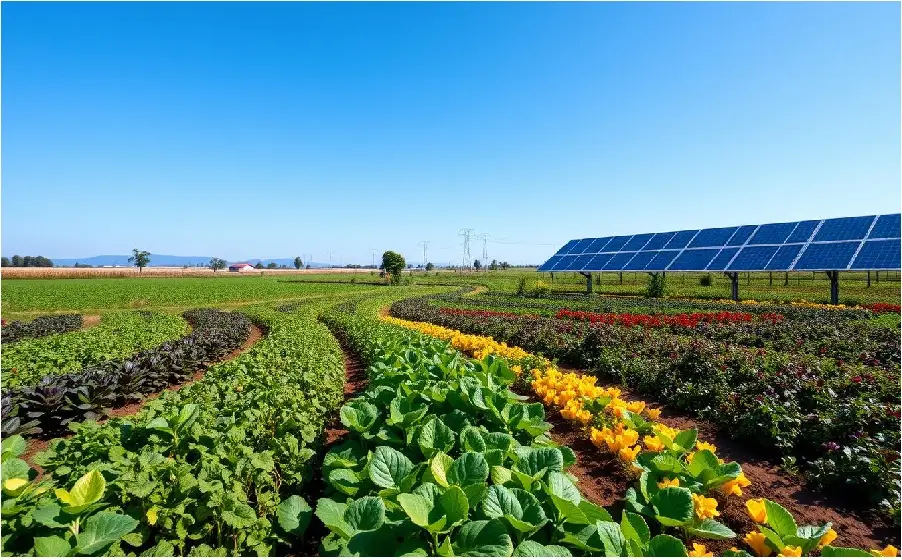
- Renewable Energy Systems: Solar-powered pumps and controllers enhance off-grid farming.
- Automation & Robotics: Autonomous tractors and harvesting systems reduce labor and costs.
Together, these technologies are redefining the meaning of efficiency and sustainability in Arab agriculture.
Naqqar Group: Pioneering Smart Agricultural Solutions
As one of the Arab region’s pioneers in agricultural engineering and irrigation technology, Naqqar Group has been leading innovation since 1980. The company’s legacy includes developing drip and sprinkler irrigation systems that combine precision, durability, and energy efficiency.
By integrating smart irrigation systems with digital monitoring and renewable energy solutions, Naqqar Group ensures optimal use of water resources across different climates — from the Jordan Valley to the Arabian deserts.
The company also collaborates with USAID, FAO, and regional ministries of agriculture to advance the use of smart technologies in public and private agricultural projects.
Economic & Environmental Impact
The economic benefits of smart agriculture innovation go hand in hand with its environmental advantages. By adopting data-driven and sustainable systems, Arab countries are:
- Reducing operational costs through water and energy efficiency.
- Enhancing crop quality and yields through precision resource use.
- Decreasing dependence on imported food products.
- Mitigating greenhouse gas emissions from traditional farming methods.
For farmers, these innovations translate into improved profitability, resilience to climate variability, and greater long-term stability.
Future Outlook for Smart Agriculture in the Arab World
The future of agriculture in the Arab world will be digital, sustainable, and interconnected. Governments and private companies are investing in regional hubs for agricultural innovation, creating opportunities for cross-border knowledge sharing and technology transfer.
Naqqar Group continues to expand its footprint through regional partnerships, product innovation, and capacity-building programs that empower the next generation of agricultural engineers and farmers.
The integration of artificial intelligence, IoT, and renewable energy is paving the way for an agricultural renaissance across the Arab world — one rooted in innovation and sustainability.
FAQ
What is smart agriculture innovation?
It refers to the use of advanced technologies — like IoT, AI, and automation — to make farming more efficient, productive, and sustainable.
Which Arab countries are leading in smart agriculture?
Jordan, Saudi Arabia, and the UAE are at the forefront, supported by innovators like Naqqar Group and national sustainability programs.
Can small farmers benefit from smart technologies?
Yes. Modular systems and mobile-based monitoring tools make innovation accessible even for small-scale farmers.
Conclusion & Next Steps
Smart agriculture innovation is redefining what it means to farm in the Arab world. With companies like Naqqar Group leading the charge, technology is no longer a luxury — it’s the driving force behind food security, environmental protection, and economic growth.
The Arab region’s agricultural revolution has begun — and its future will be built on data, innovation, and collaboration.