Smart Irrigation Systems: The Future of Water Efficiency in the Middle East
Related: Naqqar Group Home • Products • Projects • Contact
Introduction
Across the Middle East, where water scarcity defines daily life, smart irrigation systems are reshaping the way farmers and governments approach agriculture. From Jordan to Saudi Arabia, from Egypt to the UAE, innovation in water efficiency has become essential—not optional.
Smart irrigation uses advanced technology to monitor, manage, and optimize how water is distributed to crops. Through automation, sensors, and data-driven systems, farmers are now achieving more productivity with less water—supporting food security and sustainable development across the region.
“In the Middle East, smart irrigation isn’t just innovation—it’s survival.”
Water Challenges in the Middle East
The Middle East is home to 12 of the world’s most water-scarce countries. On average, regional rainfall has declined by 20% in the last 30 years, while population and agricultural demand continue to rise. This imbalance has created an urgent need for efficient water management.
According to the Food and Agriculture Organization (FAO), agriculture consumes nearly 80% of total water resources in the region. Without modernization, traditional irrigation could lead to soil salinization, reduced yields, and severe ecosystem damage.
What Are Smart Irrigation Systems?
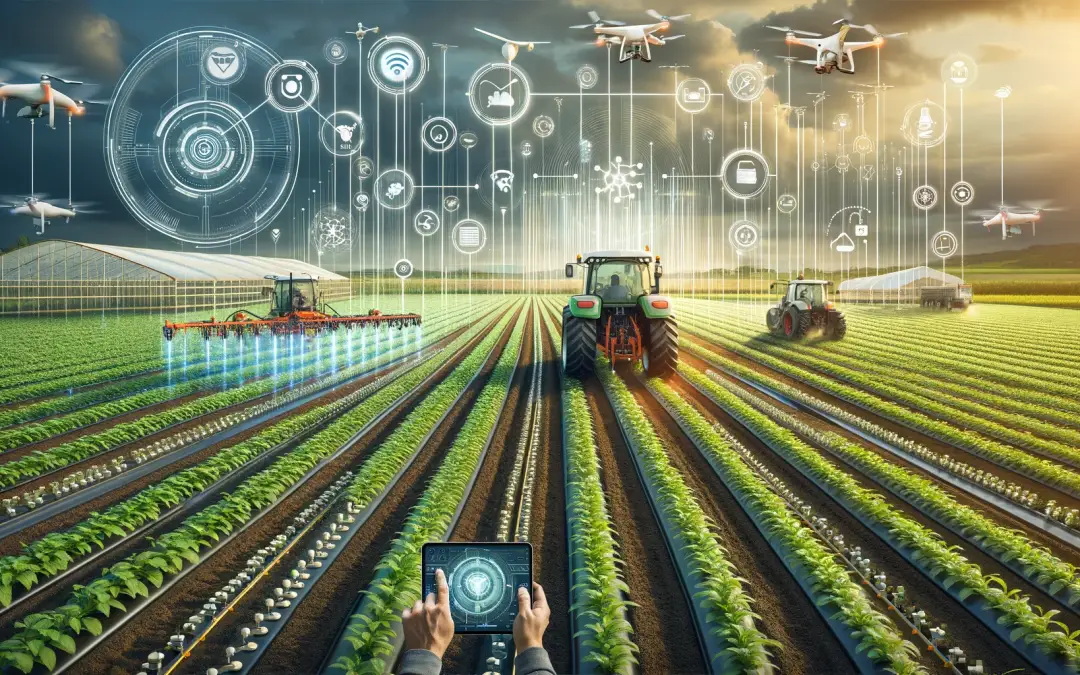
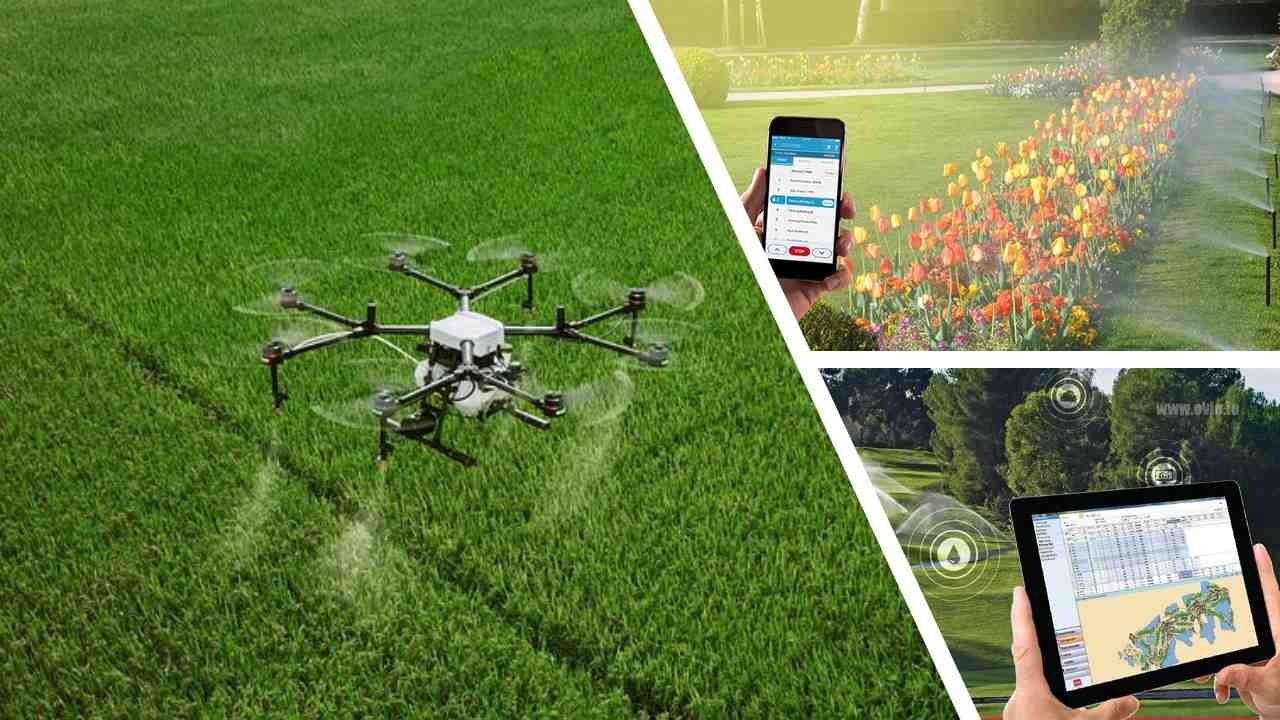
Smart irrigation systems are advanced networks that use real-time data to determine how, when, and how much to irrigate. They integrate sensors, controllers, and communication technology to adapt automatically to weather, soil conditions, and plant needs.
- Soil moisture sensors: detect the exact water level in the root zone.
- Weather stations: track temperature, humidity, and rainfall to adjust watering schedules.
- Smart controllers: automate valve operation and water distribution.
- Mobile monitoring: allows users to track system performance remotely in real time.
These systems minimize water waste, reduce energy consumption, and promote healthier crops—making them the backbone of sustainable agriculture in dry regions.
Regional Impact & Adoption
Governments across the Middle East have started integrating smart irrigation into national agricultural strategies. For example:
- Jordan has adopted nationwide drip and sprinkler systems through public-private partnerships with companies like Naqqar Group.
- Saudi Arabia is investing heavily in precision agriculture and controlled irrigation to sustain large-scale desert farming.
- UAE and Qatar are using smart greenhouse technologies that combine IoT irrigation with hydroponics.
These initiatives aim to enhance water efficiency, improve crop yields, and secure long-term food sustainability across the region.
Naqqar Group: Driving Smart Irrigation Innovation
As Jordan’s first and oldest drip irrigation company, Naqqar Group plays a pivotal role in shaping the region’s transition to smart irrigation. Founded in 1980, the company has led the design and implementation of efficient systems that serve both local farmers and international clients.
Through partnerships with the Ministry of Agriculture, USAID, and various NGOs, Naqqar Group has delivered high-performance irrigation projects across Jordan’s drylands—from the Wadi Araba Sprinkler Irrigation Project to the Al-Wala Dam Network.
Naqqar Group continues to integrate automation, solar energy, and remote-control technologies into its systems—making it a regional leader in smart water management solutions.
Technology Behind Smart Irrigation
The strength of modern irrigation lies in data. With integrated platforms, farmers can monitor moisture levels, water flow, and pressure via smartphone apps. Automated valves and variable-frequency pumps (VFDs) ensure water delivery matches crop demand in real time.
- IoT integration: connects sensors, pumps, and weather data seamlessly.
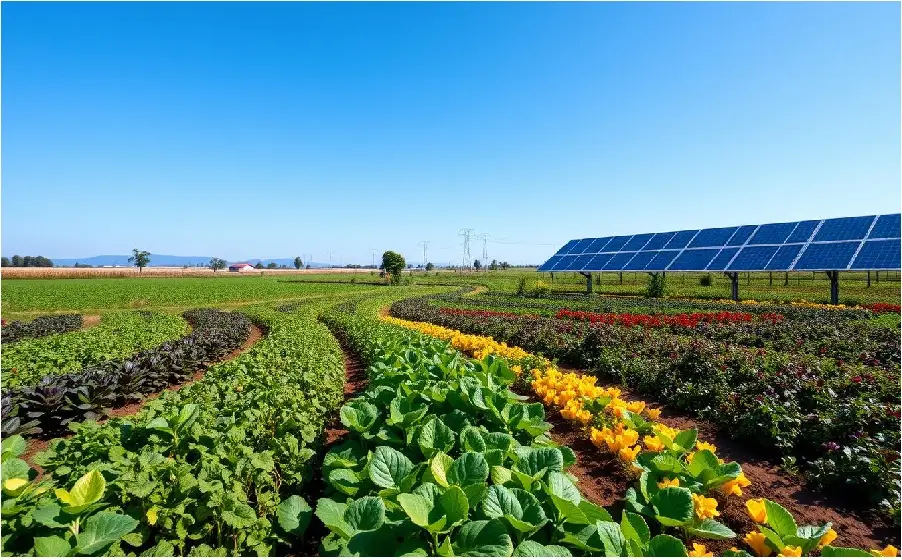
- Solar-powered systems: reduce energy dependence in off-grid rural areas.
- AI and data analytics: predict irrigation schedules based on plant growth patterns.
These innovations allow smarter decision-making, less waste, and improved crop productivity.
The Future of Water Efficiency in the Middle East
As climate pressures increase, the region’s agricultural future depends on expanding the use of smart irrigation systems. Emerging technologies like satellite imaging, blockchain-based water tracking, and predictive analytics will further revolutionize irrigation management.
Organizations like Naqqar Group are leading this shift, not only through innovation but also through education—training farmers and engineers on how to maintain and upgrade their systems for long-term sustainability.
FAQ
Are smart irrigation systems expensive to implement?
While initial costs are higher, they pay off through long-term savings in water, energy, and maintenance.
Which crops benefit most from smart irrigation?
Vegetables, fruits, and high-value crops benefit the most due to their sensitivity to moisture balance.
Can smart irrigation be powered by renewable energy?
Yes, solar-powered pumps and controllers are increasingly used in remote or off-grid farms across the Middle East.
Conclusion & Next Steps
The Middle East’s future depends on its ability to adapt—and smart irrigation systems are at the center of that transformation. With pioneers like Naqqar Group pushing innovation and sustainability, the region is on the path toward efficient, climate-smart agriculture.
To explore custom smart irrigation solutions or partner for sustainable projects, connect with Naqqar Group today.