How Modern Drip Irrigation is Transforming Agriculture in Jordan
Related: Naqqar Group Home • Products • Projects • Contact
Introduction
In a country where water is more valuable than gold, drip irrigation in Jordan has become a revolutionary solution. It enables farmers to grow more food with less water—maximizing productivity while preserving one of the nation’s most precious resources.
Over the past few decades, Jordan’s agricultural sector has faced increasing pressure due to climate change, population growth, and limited rainfall. Yet, with the introduction of modern irrigation technologies like those developed by Naqqar Group, local farmers are turning arid lands into thriving farms.
“Every drop counts. Drip irrigation isn’t just a technology—it’s a path to sustainability for Jordan’s future.”
Water Scarcity & Agricultural Challenges
Jordan is one of the world’s most water-scarce countries, receiving less than 200mm of rainfall annually in many areas. Traditional surface irrigation methods—like flooding—waste up to 50% of available water through evaporation and runoff.
The challenge is not only about water shortage but also about soil degradation, crop losses, and rising costs. As urbanization expands, arable land decreases, demanding smarter agricultural systems to feed the growing population.
According to the Food and Agriculture Organization (FAO), efficient irrigation methods can reduce water use by up to 40% while improving yields by 20–30%. That’s why modern drip irrigation systems have become a vital part of Jordan’s national agricultural strategy.
How Drip Irrigation Works
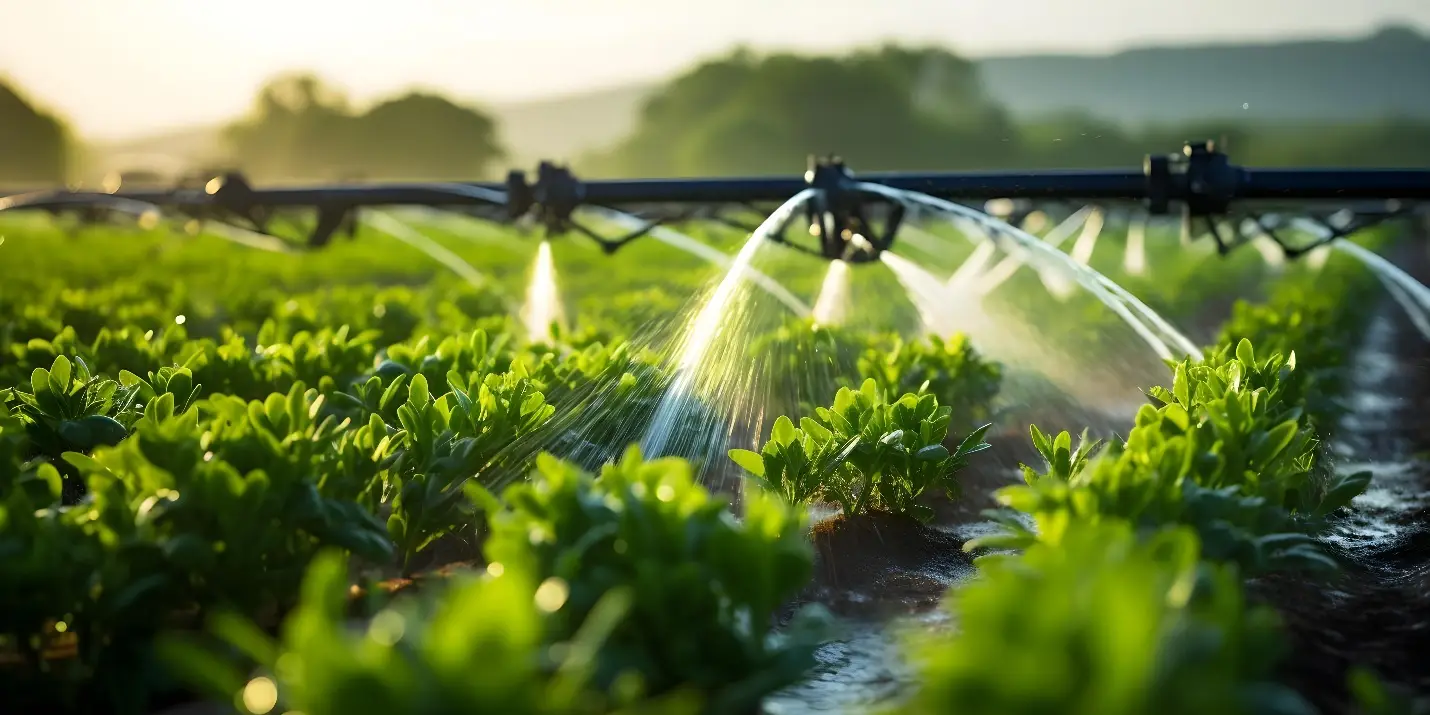
Drip irrigation delivers water directly to the root zone of plants through a network of valves, pipes, tubing, and emitters. This system ensures that crops receive precise amounts of water exactly when they need it, minimizing waste and maximizing growth.
- Emitters: control water flow to each plant.
- Mainlines & Submains: transport water efficiently under pressure.
- Filters & Valves: prevent clogging and regulate flow consistency.
- Fertigation: allows nutrients to be injected with water for balanced plant feeding.
The result is a water-saving agriculture system that promotes healthy crops, reduces energy use, and enhances soil structure.
Key Benefits for Jordanian Farmers
- Water Efficiency: Saves up to 50% of water compared to surface irrigation.
- Higher Yields: Improved consistency and quality of crops.
- Reduced Labor Costs: Automated systems reduce manual effort.
- Soil Protection: Prevents erosion and nutrient leaching.
- Scalability: Suitable for both small farms and large agricultural projects.
Farmers across Jordan’s regions—from the Jordan Valley to Ma’an—have reported better returns and improved sustainability after switching to drip systems.
Naqqar Group’s Role in Modern Irrigation
Since 1980, Naqqar Group has been Jordan’s pioneer in drip irrigation systems. With over four decades of experience, the company has designed, manufactured, and implemented complete irrigation solutions across Jordan and the Middle East.
From its two factories in Amman to distribution networks in the Gulf, Naqqar Group continues to lead agricultural innovation—combining engineering precision with local know-how.
The company also works closely with the Ministry of Agriculture, USAID, and the Queen Rania Foundation to promote sustainable farming and train farmers on efficient irrigation practices.
Real-World Projects in Jordan
Naqqar Group has successfully implemented landmark projects including:
- Wadi Araba Sprinkler Irrigation Project – 52,000 m³ water pool and advanced sprinkler system north of Rahma, Aqaba.
- Al-Wala Dam Irrigation Project – Integration of drip and sprinkler systems with water collection ponds in Madaba Governorate.
- Agave Afforestation Project (Qatrana) – Drip irrigation supporting aloe vera cultivation in desert zones.
- Mafraq Green Belt Initiative – Rehabilitation of Jaber Road with integrated irrigation networks.
Each project reinforces the company’s commitment to sustainable agriculture and water efficiency.
Sustainability & The Future of Smart Farming
The next phase of agricultural evolution in Jordan lies in smart irrigation—systems that combine sensors, automation, and solar power for self-regulating water management. Naqqar Group is already investing in such technologies to ensure its systems remain at the forefront of climate-resilient agriculture.
As Jordan continues its journey toward food security, drip irrigation will play a vital role in balancing productivity with environmental responsibility.
FAQ
Why is drip irrigation important in Jordan?
Because it allows efficient water use in one of the driest regions on Earth, maximizing agricultural productivity.
Does Naqqar Group manufacture its own systems?
Yes. Naqqar Group designs and produces complete irrigation systems in its Amman-based factories.
Can drip irrigation be used for all crops?
It’s highly adaptable for vegetables, trees, and even large-scale greenhouses with tailored flow rates.
Conclusion & Next Steps
Drip irrigation in Jordan is more than an innovation—it’s a necessity. With visionary leadership from companies like Naqqar Group, the country is proving that smart water management can create greener, more resilient farms for generations to come.
Ready to modernize your irrigation system? Reach out to Naqqar Group’s team for consultation and tailored solutions today.